…and that is when the fatigue hits, a heavy, bone-deep exhaustion that sleep simply cannot touch. It isn’t just being tired after a long day at the office; it feels like your very marrow has been replaced with lead. This sensation often marks the beginning of a much longer, more complicated conversation between a patient and their medical provider. When the joints start swelling or the skin begins to react, people often assume it is just the inevitable toll of aging or perhaps a minor injury that hasn’t quite healed. However, the reality of rheumatic diseases is often much more systemic and deeply rooted in the body’s own defense mechanisms. These conditions don’t just affect the knuckles or the knees; they can ripple through the entire system, affecting organs, blood vessels, and even the skin.
The Broad Spectrum of Rheumatic Conditions
Rheumatology is a massive field because the symptoms often overlap in confusing ways. A patient might walk into a clinic thinking they have simple arthritis, only to find out they are dealing with something far more complex. It isn’t always just about the joints. A rheumatologist is a specialist who focuses on diagnosing and treating complex conditions affecting your musculoskeletal system and connective tissues, according to the Cleveland Clinic. They look at the “why” behind the inflammation. While many people think of arthritis as a single thing, the list of potential diagnoses is quite long and varies wildly in how they manifest. Common conditions include:
- Systemic lupus erythematosus (SLE): A chronic autoimmune disease where the body attacks its own tissues.
- Rheumatoid arthritis (RA): An inflammatory disorder where the immune system attacks the lining of the joints.
- Sjögren syndrome: Often characterized by dry eyes and dry mouth.
- Scleroderma: A group of disorders that involve the hardening of connective tissues.
- Dermatomyositis/polymyositis: Conditions that primarily affect the muscles.
The symptoms can feel like a moving target. One week, you might have intense swelling in your wrists, and the next, you are dealing with a low-grade fever or a strange rash. This unpredictability is what makes the diagnostic process so taxing for patients. It requires a high level of patience and a very attentive physician to piece the puzzle together.
Decoding the Diagnostic Puzzle
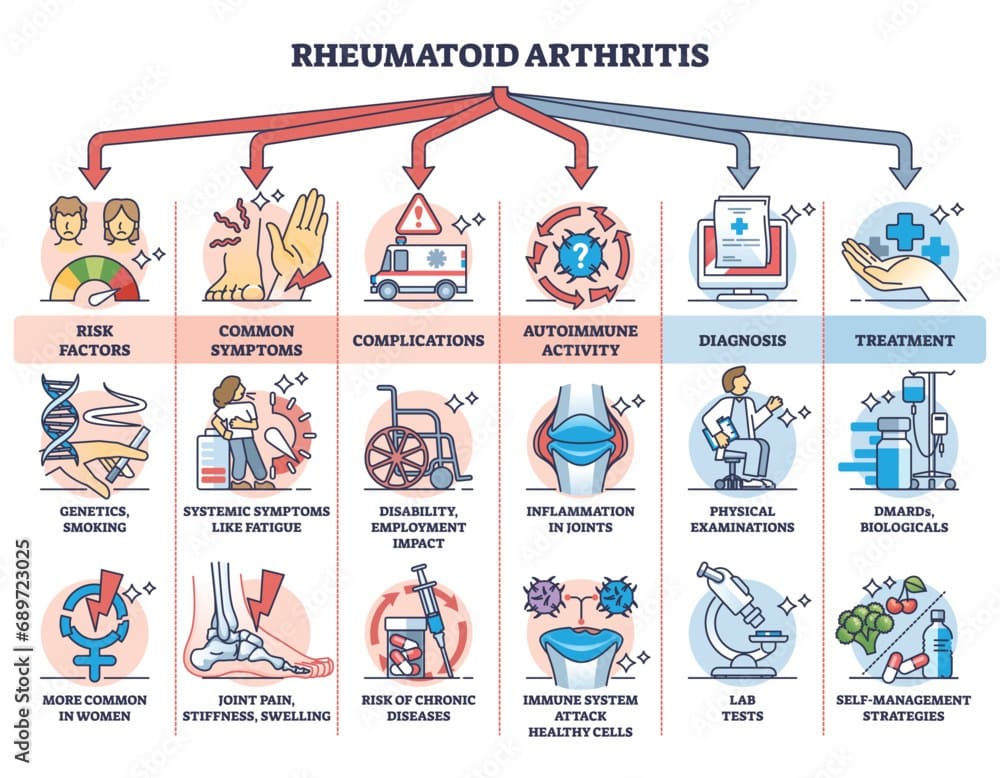
Getting an answer isn’t always a straight line from a symptom to a prescription. Doctors cannot simply look at a patient and know if they have lupus or RA; they have to act like detectives. This involves a meticulous process of elimination. First, a physician will take a detailed medical history, asking about when the pain started, what time of day it is worst, and if any specific movements trigger the flare-ups. They then perform a physical exam to check for warmth, redness, or swelling in the joints. This is followed by laboratory tests, which might include looking for specific antibodies in the blood or checking for markers of inflammation like C-reactive protein. The diagnostic process is often a marathon. Because these diseases are systemic, the bloodwork might not show everything immediately. A doctor might order imaging, like X-rays or ultrasounds, to see if there is any visible damage to the bone or cartilage. It takes time. Sometimes, the path to a diagnosis involves a bit of trial and error or waiting for specific markers to surface. It can be a frustrating period of “watchful waiting” for both the patient and the provider. During this time, keeping a detailed log of symptoms can be a lifesaver. You might notice that your joints feel stiffest in the morning for over an hour, which is a classic sign of inflammatory arthritis rather than simple wear-and-tear.
Managing the Flare-Ups and Daily Life
Once a diagnosis is in hand, the focus shifts to management. There is no universal “cure” for most autoimmune rheumatic diseases, but there is a massive toolkit available to keep the symptoms at bay. Treatment is rarely a “one-size-fits-all” affair because every person’s biology is unique. For those living with Rheumatoid Arthritis, managing daily pain often involves a combination of lifestyle adjustments and medical intervention. For instance, applying heat or cold can be a simple, effective way to manage discomfort, as heat helps relax tense muscles while cold can help numb pain and ease swelling. Medical management often follows a specific hierarchy:
| Treatment Type | Common Examples/Methods |
|---|---|
| First-line Medications | Methotrexate is typically the first-line drug for rheumatoid arthritis. |
| Combination Therapy | Using multiple medications together to control the disease more effectively. |
| Physical/Occupational Therapy | Exercises to maintain range of motion and tools to make daily tasks easier. |
| Lifestyle Adjustments | Dietary changes, regular low-impact movement, and stress management. |
It is a lot to handle. You have to balance pills, appointments, and the mental weight of a chronic diagnosis, and sometimes it feels like you are constantly playing catch-up with your own body. It is exhausting. Many people worry about activity levels. There is a common misconception that if your joints hurt, you should stay as still as possible to avoid further damage. This isn’t necessarily true. While high-impact activities might be problematic, gentle movement like walking or swimming can actually help maintain joint flexibility and overall strength, which is vital for long-term management.
The Long-Term Outlook and Patient Advocacy
The goal of modern rheumatology is “remission,” or at least a significant reduction in disease activity. We have moved far beyond just treating the pain; we are now aiming to stop the underlying damage before it starts. This shift has changed the prognosis for many people who, decades ago, would have faced significant disability. However, the landscape of treatment is always shifting. New biologics and targeted synthetic drugs are being developed that aim to block specific parts of the immune system rather than suppressing the whole thing. This precision medicine approach is changing how we view these diseases. Navigating this requires a partnership. You shouldn’t feel like a passive recipient of care. When you talk to your doctor, bring your questions, bring your lab results, and bring your observations about how you feel on a Tuesday versus a Friday. If a medication makes you feel like you can’t get out of bed, tell them. If a certain exercise makes your joints ache for days, note it down. Effective management is a collaborative effort between the clinic and the living room. It requires an understanding of how medications, diet, and activity levels interact. It is not a static plan but a living, breathing strategy that evolves as the disease does. The most important thing to remember is that a diagnosis is a tool for management, not a life sentence. Knowing what you are fighting is the first step toward winning the battle against inflammation. Sometimes, the best way to fight back is to stay informed.
For the full picture, it’s worth checking Jakobus Apotheke.